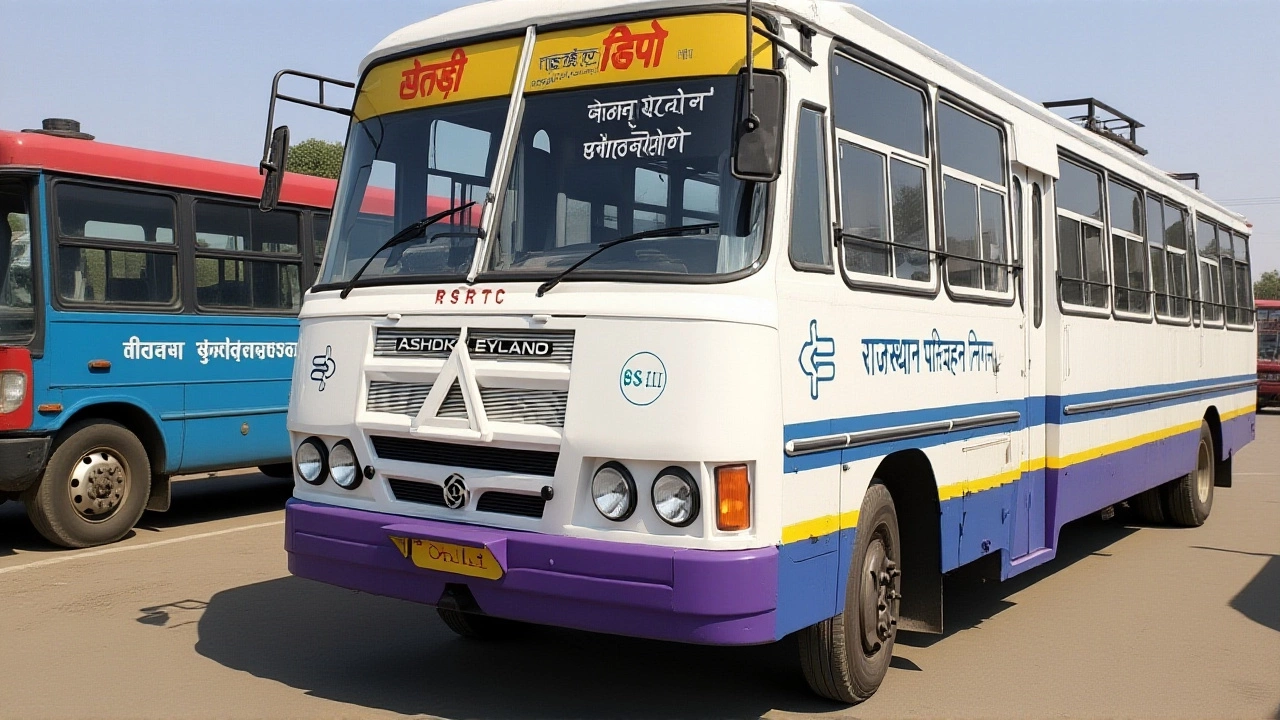
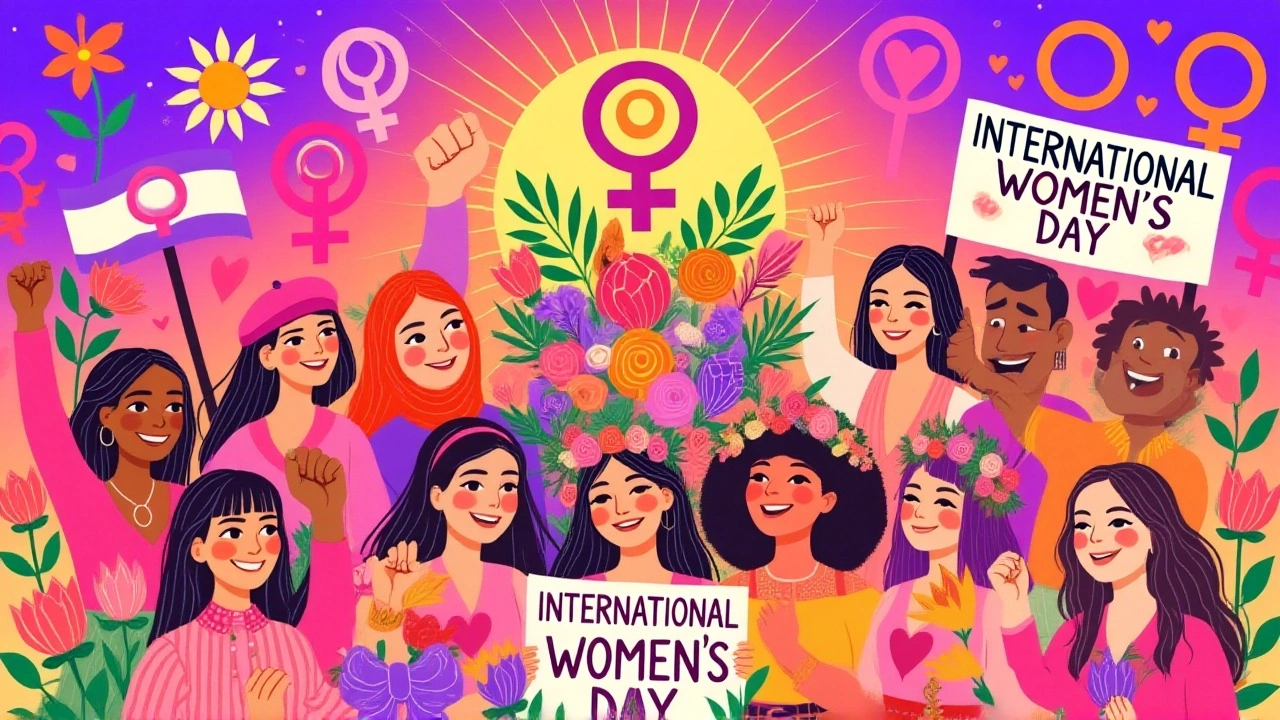
On March 8, 2025, women and girls across Rajasthan will ride buses for free — no ticket, no fare, no hassle. The Rajasthan State Road Transport Corporation (RSRTC), under orders from the state government, has announced a 24-hour free transit window from midnight on March 7 to midnight on March 8, coinciding with International Women's Day. The move, described by officials as both symbolic and practical, aims to empower women’s mobility in a state where public transport remains a lifeline for millions. It’s not just a gesture. It’s a reckoning — with safety, access, and the quiet daily struggles of women navigating long distances for work, school, or medical care.
Who Benefits, and Where?
The offer applies to all standard and express buses operated by RSRTC within Rajasthan’s borders. But there’s a catch: air-conditioned and Volvo buses are excluded. That’s not an oversight — it’s a budgetary boundary. According to Dr. Jyoti Chauhan, Executive Director (Transport) at RSRTC, the free rides will cover nearly 1,200 non-AC buses running across 33 districts. The state estimates over 1.5 million women and girls will use the service during the 24-hour window. Importantly, no ID is mandatory to board — though carrying one is advised, just in case. "We’re not here to question who they are," Dr. Chauhan said. "We’re here to make sure they get where they need to go."
What This Means for Commuters
For many women in rural Rajasthan, a bus ride isn’t a luxury — it’s the only way to reach a hospital, a job, or a school. In districts like Jodhpur, Bikaner, and Udaipur, women often travel 50 to 80 kilometers daily for work in agriculture, garment factories, or as domestic helpers. A single round-trip fare can cost ₹80 to ₹150 — money that might otherwise go toward food or medicine. "I’ve missed two prenatal checkups this year because I couldn’t afford the bus," said Sunita Devi, a 28-year-old mother from Jalore. "This one day? It’s not just free transport. It’s a chance to breathe."
The policy also extends to Jaipur City Transport Corporation Limited (JCTCL), which operates over 300 low-floor city buses. With 40% of its daily ridership — roughly 60,000 people — being women, the city’s move is a significant step. "We’ve seen a 22% increase in female ridership since we introduced women-only seating in 2022," said JCTCL’s managing director. "This is the natural next step."
How the State Will Pay
RSRTC will issue tickets as usual — but no money will be collected. Instead, the state government will reimburse the corporation for lost revenue. Preliminary estimates suggest the cost could reach ₹18–22 million, depending on ridership. That’s a fraction of the state’s annual transport budget, but it’s still a bold financial signal. "We’re not just spending money," said Manoj Sharma, Managing Director of RSRTC. "We’re investing in dignity." The policy does not extend to interstate services. If a woman boards a bus from Jaipur to Delhi, she rides free until the Rajasthan border. Beyond that, she pays. This limitation reflects a broader challenge: inter-state coordination remains fragmented. But within Rajasthan’s boundaries, the system is unified, clear, and enforceable.
Why This Matters Beyond One Day
This isn’t the first time India has offered free transit for women — Delhi, Mumbai, and Bengaluru have tried similar schemes. But Rajasthan’s scale and timing stand out. With over 35 million women in the state, and only 32% of them participating in the formal workforce, mobility is a key barrier. Studies by the Centre for Social and Economic Progress show that women who have reliable, affordable transport are 47% more likely to seek employment outside their villages.
The timing is also politically significant. With state elections looming in late 2025, the move could be seen as strategic. But dismissing it as mere politics misses the point. Even if it’s political, it’s still policy that changes lives. And for many women, that’s what counts.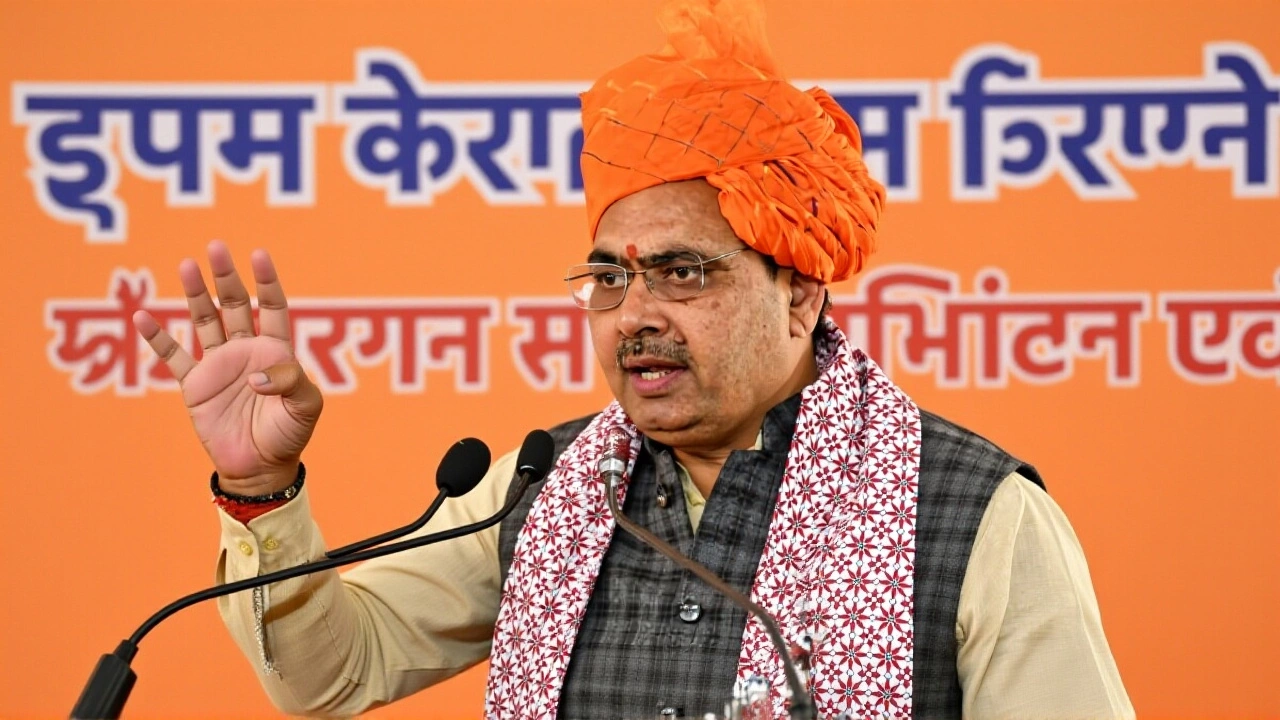
What Comes Next?
RSRTC officials say they’re monitoring ridership data, safety reports, and feedback in real time. If the pilot proves successful — and early signs suggest it will — they’re open to extending it to weekly or monthly free days. "We’re not just celebrating March 8," said Shubhra Singh, Chairman of RSRTC. "We’re asking: What if every Friday was like this?" Meanwhile, women’s groups are pushing for broader changes: better lighting at bus stops, more female drivers, and 24-hour helplines on buses. "Free rides are great," said activist Meera Bhatia of Rajasthan Mahila Sangathan. "But what we really need is to stop fearing the journey."
FAQ
Who is eligible for the free bus rides in Rajasthan?
All women and girls, regardless of age or residency, can ride free on RSRTC’s standard and express buses within Rajasthan’s borders on March 8, 2025. No ID is required, though carrying one is recommended. The offer does not apply to air-conditioned or Volvo buses, nor to interstate routes beyond Rajasthan’s boundary.
How much will the free ride scheme cost the state government?
Preliminary estimates put the cost between ₹18 million and ₹22 million, covering lost fares on nearly 1,200 non-AC buses. The state will reimburse RSRTC for all unrecovered revenue, with funds drawn from the transport department’s contingency budget. This is less than 0.3% of Rajasthan’s annual public transport expenditure.
Does this apply to city buses in Jaipur too?
Yes. The Jaipur City Transport Corporation Limited has independently implemented the same policy on its 300+ low-floor city buses. With around 60,000 female riders daily, the move is expected to impact over 40% of its passenger base on March 8.
Why are AC and Volvo buses excluded?
AC and Volvo buses are premium services with higher operating costs and lower ridership. Excluding them allows the state to focus subsidies on the most widely used, affordable transport options — the ones that serve rural women, daily wage workers, and students. The policy targets accessibility, not luxury.
Is this a one-time event, or could it become permanent?
RSRTC has called this a "pilot" and will analyze ridership, safety, and public feedback before deciding on future extensions. Officials have hinted at the possibility of monthly free days or weekend passes, especially if demand remains high. Women’s groups are already lobbying for weekly free rides — a demand gaining traction across state assemblies.
How does this compare to similar schemes in other Indian states?
Delhi launched free bus rides for women in 2019, and over 1.2 billion rides have been taken since. Mumbai and Bengaluru have followed with partial or time-bound schemes. Rajasthan’s version is notable for its statewide reach, lack of ID requirements, and inclusion of rural routes — areas often left out in urban-focused programs. It’s arguably the most inclusive model in India so far.
 Cricket